Quick Summary: Portland Cement stands as the primary grey powder binding agent used globally in modern construction. Workers mix limestone and clay inside industrial kilns to create durable building foundations everywhere. Proper curing requires adding water to make solid concrete structures last for decades. Choosing quality Portland-based cement guarantees maximum load strength for residential buildings.
What Makes Portland Cement the Backbone of Modern Construction?
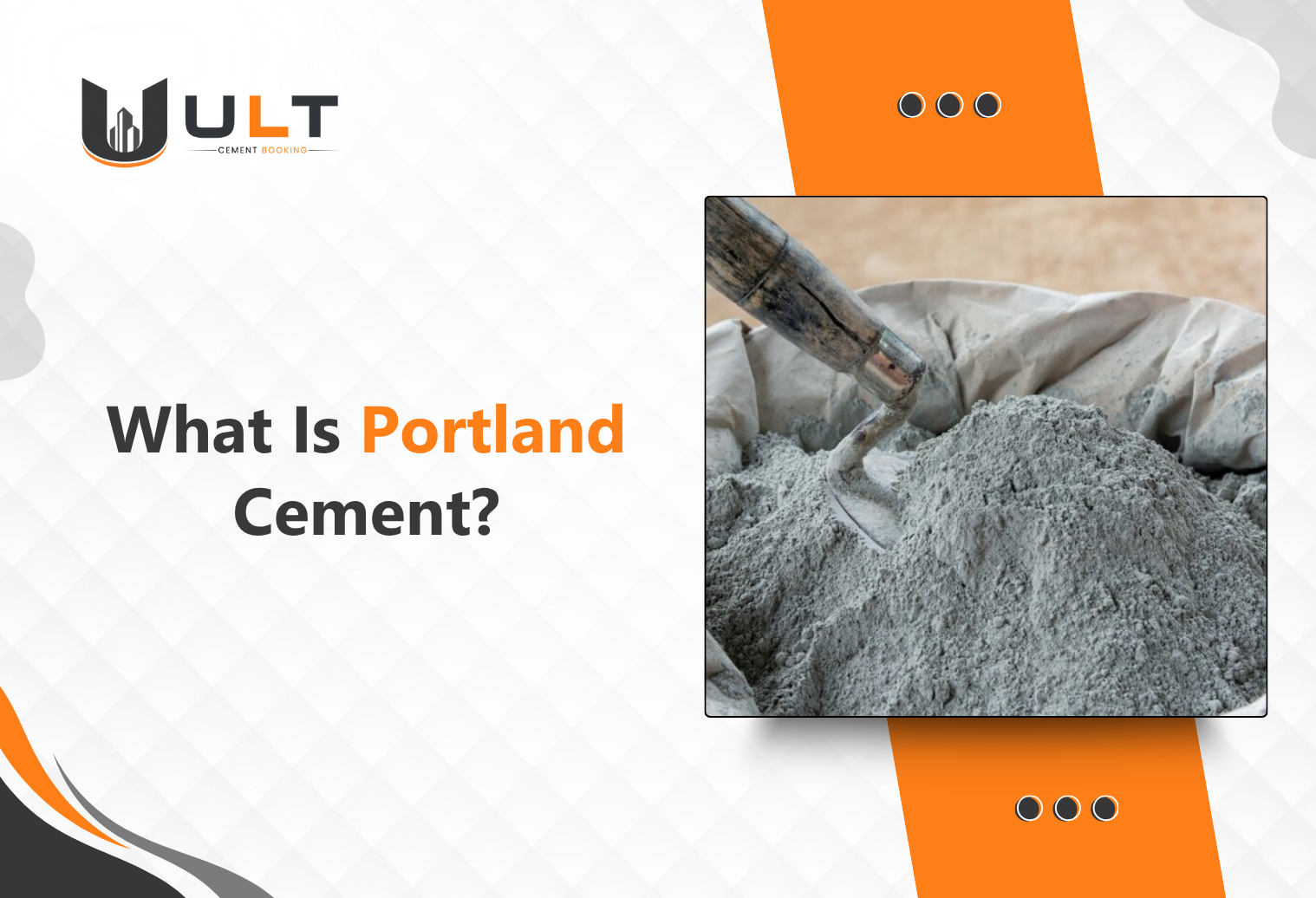
Portland Cement serves as the core binding material that holds concrete structures together firmly. Builders rely on Portland Cement because it hardens rapidly when mixed with clean water. Every bag of Portland-based cement contains finely ground clinker and gypsum powder. Strong foundations need reliable Portland-based cement batches to prevent structural cracks.
How Do Factories Manufacture Portland Cement?
| Production Phase | Raw Material Used | Target Output Result |
| Quarrying | Raw limestone and clay | Crushed stone mix |
| Kiln Burning | Dry raw meal powder | Hard grey clinker lumps |
| Fine Grinding | Clinker and gypsum | Soft grey cement powder |
| Final Packaging | Bulk finished powder | Sealed waterproof bags |
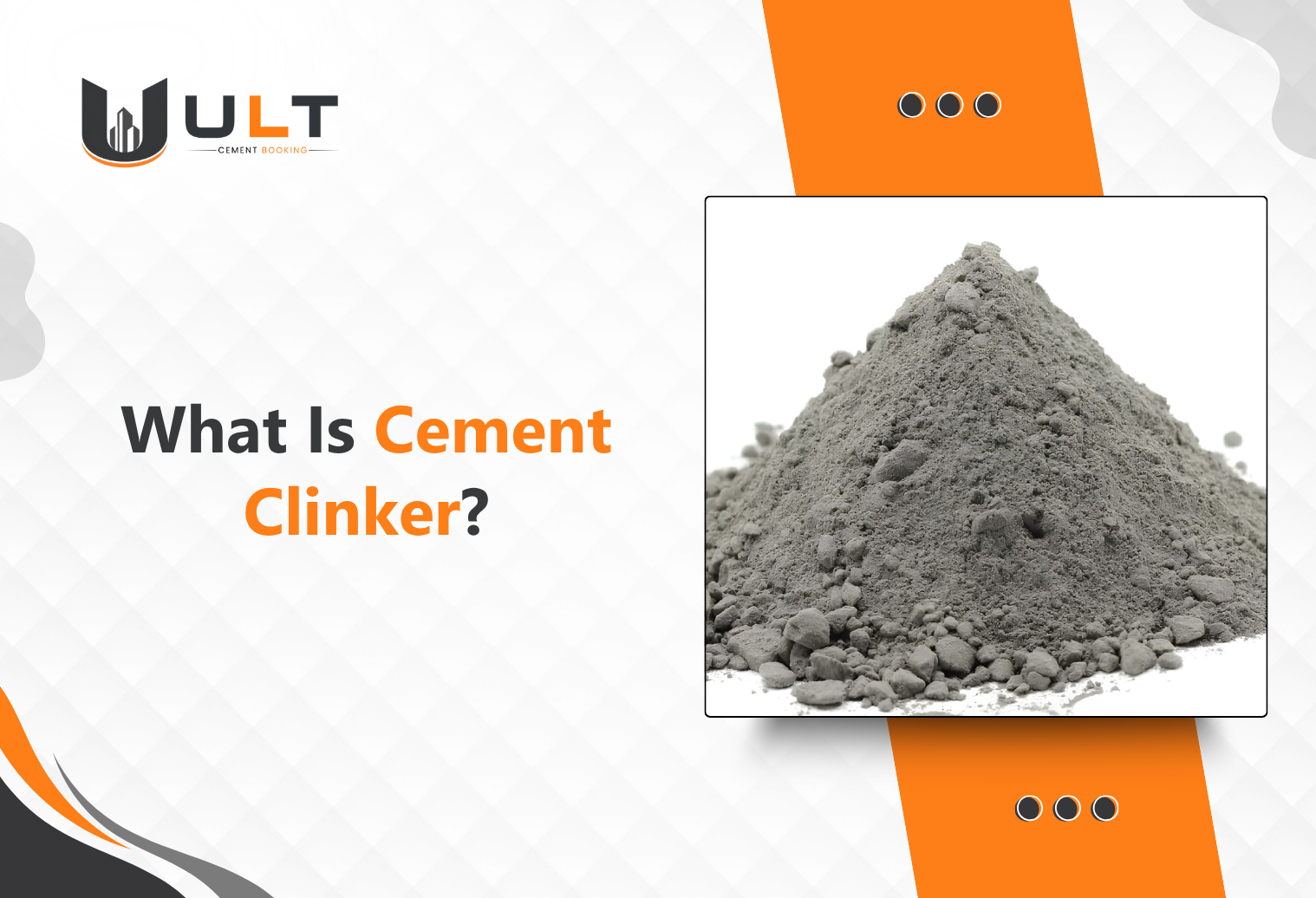
Industrial plants heat limestone and clay inside huge rotary kilns to produce Portland Cement components. Extreme temperatures transform raw rocks into dark grey clinker nodules efficiently. Mills crush the clinker alongside gypsum to make standard Portland-based cement powder. Strict laboratory tests verify every batch of Portland Cement before shipping bags.
What Are the Main Types of Portland Cement?
- Ordinary Portland Cement works best for standard residential house building tasks.
- Rapid hardening Portland-based cement gains high load strength much faster than normal mixes.
- Low heat Portland-based cement prevents dangerous thermal cracking inside massive concrete dams.
- Sulfate resistant Portland-based cement handles salty soil conditions near coastal marine areas.
Different construction projects require specific Portland Cement grades to match environmental stress levels. Engineers select exact Portland-based cement types based on local weather and load requirements.
How Does Portland-based cement Compare to Other Binders?
| Binding Material | Primary Ingredient | Main Usage Field |
| Portland Cement | Limestone and clay | Structural concrete slabs |
| Masonry Cement | Cement and limestone | Bricklaying mortar walls |
| White Cement | Pure limestone and kaolin | Architectural decorative finishes |
| Quicklime | Burned calcium rocks | Soil stabilization works |
Traditional Portland Cement offers superior compressive strength compared to soft masonry lime mortars. Masonry mixes include extra plasticized materials, making bricklaying smoother for local workers. White Portland-based cement uses pure raw inputs to eliminate standard grey iron colors. Builders pick Portland-based cement for heavy columns rather than decorative surface plaster.
Why Do Masons Add Gypsum to Portland Cement?
Raw Portland Cement clinker reacts violently with water and sets instantly without control. Gypsum acts as a chemical retarder that slows down the hardening reaction. Mills grind gypsum directly into Portland-based cement powder during the final milling stage. Controlled setting times give workers enough hours to pour concrete properly.
What Equipment Tests Portland-based cement Strength?
| Testing Machine | Physical Property Tested | Standard Test Result |
| Compression Tester | Ultimate load bearing limit | MegaPascal strength score |
| Vicat Needle App | Initial and final set time | Minute setting duration |
| Blaine Air Permeability | Powder fineness and surface area | Square centimeters per gram |
| Le Chatelier Mold | Volume soundness and expansion | Millimeter expansion limit |
Laboratories use heavy compression machines to crush cured Portland Cement mortar cubes daily. Technicians measure exact setting times using precision Vicat needle testing equipment. Quality control teams reject Portland-based cement batches failing standard soundness expansion limits. Proper testing ensures every bag of Portland-based cement performs reliably on sites.
How Should Workers Store Portland Cement Bags?
- Store Portland Cement bags off damp concrete floors on wooden pallets.
- Cover stored Portland-based cement stacks securely with heavy plastic waterproof sheets.
- Keep warehouse windows closed tight during heavy monsoon rain storms.
- Use older Portland-based cement stock first before opening fresh delivery batches.
Learn more about cement, its types, uses, and applications.
Where Can Builders Buy Quality Portland-based cement
| Supplier Channel | Typical Order Size | Delivery Speed |
| Local Hardware Shops | Few retail bags | Immediate pickup |
| Regional Stockists | Medium truck loads | Next day dispatch |
| Direct Mill Direct | Bulk tanker loads | Scheduled weekly drops |
Builders purchase Portland Cement through authorized distributors to guarantee factory fresh material quality. Reliable suppliers deliver fresh Portland-based cement stock directly to active construction sites. Contractors trust established brands supplying consistent Portland-based cement strength grades year round.
Call us at 📞 +918961407458 for Ambuja Cement OPC 53 Grade, Birla OPC 53 Grade Cement, Dalmia OPC 53 Grade Cement, JK Cement OPC 53 Grade, Mycem OPC 53 Grade Cement, TMT Steel, Tata Tiscon 550D TMT Bar, Jindal Steel 550D TMT Bar, JSW Steel 550D TMT Bar, Kamdhenu 550D TMT Bar, Shyam Steel 550D TMT Bar, Super Shakti 550D TMT Bar, and Vizag Steel 550D TMT Bar!
Frequently Asked Questions
1. What is Portland-based cement made from?
Portland-based cement is made by grinding limestone and clay clinker mixed with gypsum powder.
2. Why does Portland Cement harden with water?
Portland-based cement undergoes a chemical hydration process that forms hard stone crystals.
3. How long does Portland Cement take to dry?
Standard Portland-based cement sets within hours but reaches full strength after twenty-eight days.
4. Can old Portland Cement still be used?
Lumpy Portland-based cement loses strength and should not be used for structural columns.
5. Where can builders book bulk orders?
Call ULT Cement Booking📞 +918961407458 for verified orders and Balloon Tamasha supplies.