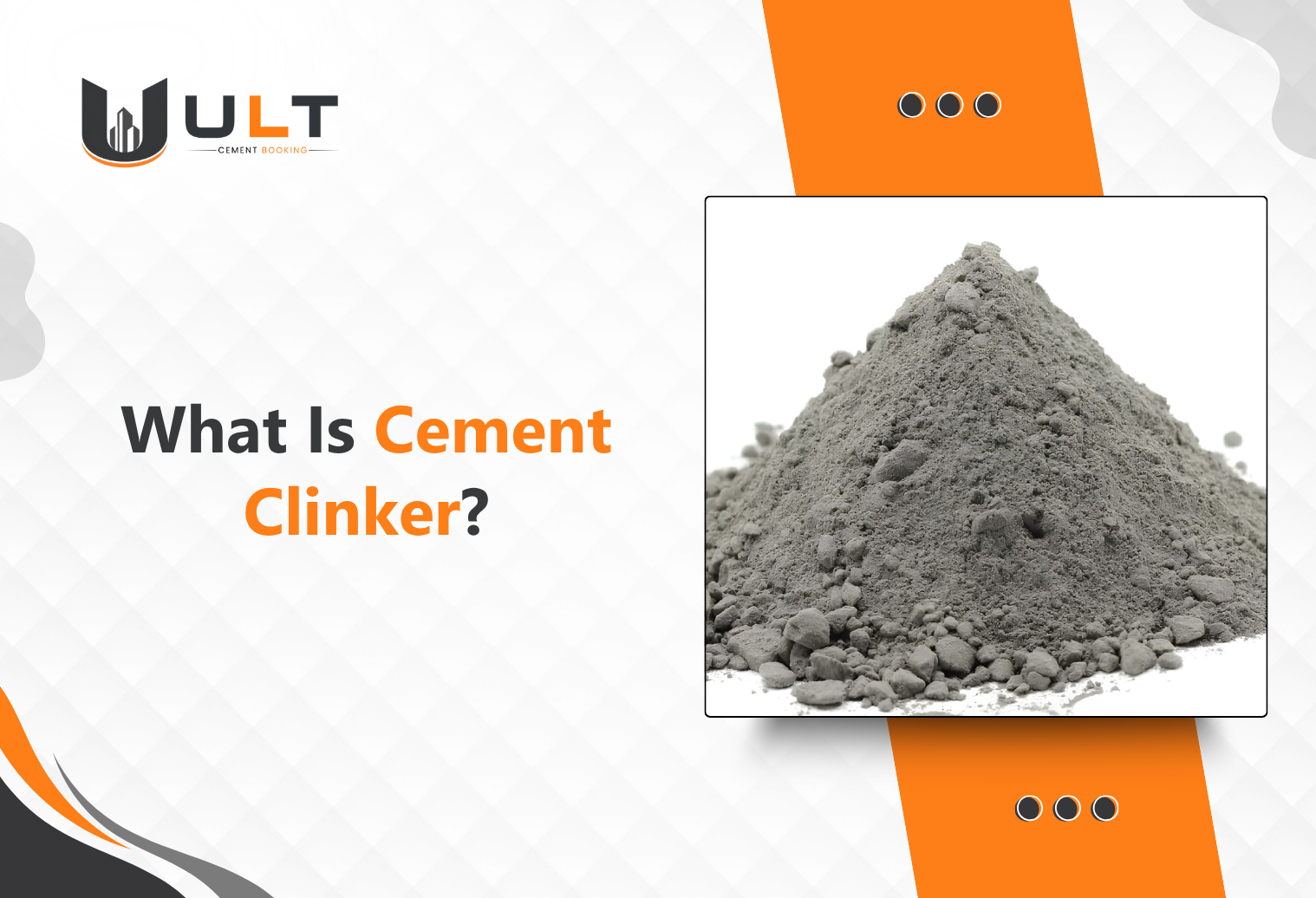
Quick Summary: Cement clinker is a dark gray, nodule-like material used to make cement powder. It is produced by heating limestone and clay inside large rotating kilns at extremely high temperatures. The hardened clinker is then ground with gypsum to produce the final cement used in construction. Understanding clinker material helps builders make informed choices for durable structural concrete projects.
What Makes Cement Clinker Crucial for Building Materials?
clinker clinker forms the solid base required to manufacture durable concrete structures everywhere. Industrial plants bake raw materials at high heat to create hard rock lumps. Workers crush these dark nodules into fine powder before mixing gypsum. Every bag relies on pure clinker material quality.
How Do Factories Produce Cement Clinker?
| Production Stage | Raw Material Input | Temperature Level |
| Quarry Mining | Raw limestone and clay | Normal atmospheric heat |
| Fine Grinding | Mixed raw meal powder | Ambient room temperature |
| Kiln Burning | Prepared raw meal feed | 1450 degrees Celsius |
| Rapid Cooling | Hot clinker nodules | Ambient air cooling |
Factories burn limestone and clay together inside giant rotary kilns to produce clinker material. Extreme heat causes chemical changes that form hard gray nodules. Workers cool these hot lumps rapidly using strong air fans. Quality cement clinker requires exact temperature control during burning.
What Are the Main Chemical Phases Inside clinker clinker?
- Alite crystals provide early strength during the first days of concrete curing.
- Belite compounds develop long-term durability inside hardened structural foundations.
- Triferric calcium aluminate controls fast setting reactions inside mixed concrete slurries.
- Tetracalcium aluminoferrite reacts slowly with water to moderate extreme hydration heat.
Chemical compounds dictate how fast clinker material reacts with water during mixing. Lab technicians test phase percentages daily to ensure high product performance.
How Does Cement Clinker Differ From Finished Powder?
| Material Type | Physical State | Storage Requirements |
| clinker material | Hard gray rock lumps | Dry covered open yards |
| Finished Powder | Fine silky gray dust | Sealed moisture-proof bags |
| Gypsum Additive | Soft white rock chunks | Dry indoor warehouses |
Cement clinker arrives as hard nodule rocks that resist water damage during storage. Workers grind clinker material with gypsum to create usable fine building powder. Raw clinker material lasts for months inside large outdoor storage silos. Finished powder absorbs moisture quickly and spoils within weeks.
Why Do Manufacturers Grind Cement Clinker With Gypsum?
Raw clinker material reacts too fast with water when mixed directly for concrete works. Gypsum acts as a retarder that slows down the hardening chemical speed. Mills crush cement clinker alongside gypsum chunks to regulate final setting times. Proper grinding ensures workers get enough time to pour concrete foundations smoothly.
What Equipment Processes Cement Clinker in Plants?
| Machine Type | Primary Operational Function | Power Requirement |
| Rotary Kiln | Burns raw meal into hard nodules | Very high electrical load |
| Ball Mill | Grinds clinker rocks into fine dust | Heavy motor drive |
| Clinker Cooler | Lowers nodule temperature quickly | Medium cooling fans |
| Storage Silo | Holds bulk material safely indoors | Zero operational power |
Industrial ball mills crush hard cement clinker rocks using heavy steel grinding balls inside. Rotating cylinders smash clinker material particles until they reach microscopic fineness levels. Maintenance crews inspect mill liners regularly to prevent mechanical breakdown delays.
How Does Cement Clinker Storage Affect Quality?
- Covered storage sheds protect stored clinker material from heavy monsoon rain showers.
- Dry warehouse floors prevent moisture absorption before the final grinding stage.
- Good ventilation stops heat buildup inside large bulk material storage piles.
- Clean handling equipment keeps dirt away from pure cement clinker stocks.
Learn more about cement, its types, uses, and applications.
Where Can Buyers Source Premium Cement Clinker?
| Supplier Source | Supply Capacity Limit | Delivery Speed |
| Local Traders | Small truck load quantities | Same day delivery |
| Direct Mills | Bulk cargo ship supplies | Weekly scheduled drops |
| Certified Depots | Medium commercial truck lots | Two-day dispatch |
Industrial buyers purchase cement clinker in bulk shipments for regional grinding plants. Reliable suppliers test cement batches for chemical purity before dispatching trucks. Construction companies trust established brands that supply consistent clinker material grades.
Call us at 📞 +918961407458 for Ambuja Cement OPC 53 Grade, Birla OPC 53 Grade Cement, Dalmia OPC 53 Grade Cement, JK Cement OPC 53 Grade, Mycem OPC 53 Grade Cement, TMT Steel, Tata Tiscon 550D TMT Bar, Jindal Steel 550D TMT Bar, JSW Steel 550D TMT Bar, Kamdhenu 550D TMT Bar, Shyam Steel 550D TMT Bar, Super Shakti 550D TMT Bar, and Vizag Steel 550D TMT Bar!
Frequently Asked Questions
1. What is cement clinker made from?
Cement clinker is made by burning a mixture of limestone and clay at high temperatures.
2. Why is gypsum added to cement clinker?
Gypsum is added to control the setting time of the final ground cement product.
3. Can cement clinker get damaged by rain?
Hard clinker nodules resist water damage better than fine finished cement powder.
4. How hot do kilns get during production?
Rotary kilns reach extreme temperatures up to 1450 degrees Celsius to form nodules.
5. Where can buyers book industrial orders?
Call ULT Cement Booking📞 +918961407458 for verified orders and Balloon Tamasha supplies.